
Now
26°
Sat
35°
Sun
30°
by Abigail Taylor|NewsChannel3
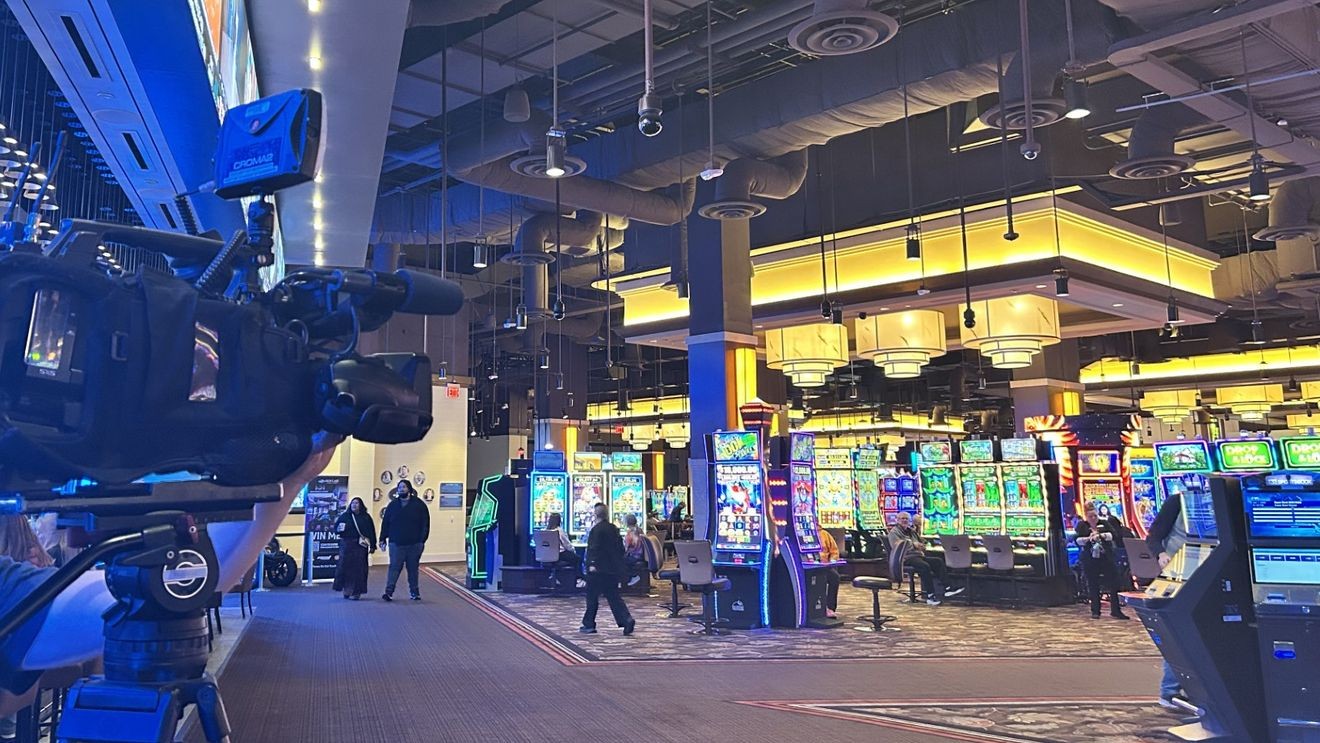
WAYLAND, Mich. — The iconic flashing lights, bright colors, and chance to "win big," once found within the confines of casinos is now readily and legally available inside of bedrooms, living rooms, and even while running errands.
That's as long as you are at least 21 and within one of seven states where all online gaming is legalized.
With the advent of mobile and “iGaming” platforms, the boundary between a simple bet and a risky habit has blurred, according to some experts.
This report explores the surge in mobile betting, who’s making money, how Michigan lawmakers are responding, and potential risks that lie underneath this rising pass time.
Dr. Eric Achtyes, a psychiatrist at WMED in Kalamazoo, spoke with News Channel 3 about the addictive nature of gambling and why "some people are at more risk."
The convenience of mobile gambling has made it easier for at-risk individuals to engage in betting under the radar, which can eventually lead to unconcealable trouble, Achtyes said.
Alex De Marco, founder and CEO of MoneyStack/GamFin, highlighted the mental and financial impact from gambling addiction that he sees through his work. GamFin aids individuals in addiction recovery, helping them overcome debt and prevent relapse.
"It's a group of people who are in deeper distress and need more help than I ever imagined," De Marco told News Channel 3. "The guilt, the shame… leads to gambling addiction, having one of the highest rates of suicidal ideation, if not the highest of any addiction."
What was once relegated to casinos is now available on your phone: sports bets, prop bets, casino games, just a tap away.
That ease has attracted gamers and casino operators alike, and increasingly, regulators, addiction-recovery advocates, and mental-health professionals.
The foundation for legal online sports betting in Michigan was laid by the Lawful Sports Betting Act (Act 149 of 2019), which fist authorized internet-based wagering through mobile apps operated by licensed casinos or tribal casinos.
Then, in January 2021, online casino gaming, or “iGaming," officially went live across Michigan.
As of late 2025, there are 15 commercial and tribal operators licensed for iGaming and internet sports betting, according to the State of Michigan's website, with 11 offering internet sports betting and 14 offering iGaming.
Michigan is one of only seven states to legalize "iGaming," which includes all forms of online gambling.
Last year, state data shows "iGaming" generated $2.4 billion in gross revenue, accounting for more than half of Michigan's annual revenue from all commercial casino gaming.
Meaning, online gaming has already surpassed long-standing brick-and-mortar casinos in terms of monetization.
When Michigan legalized mobile sports betting in 2019 through the Lawful Sports Betting Act it was stated that only licensed casinos (commercial or tribal) can operate sportsbooks, including mobile apps, under state oversight.
According to state lawmakers, this was to replace illegal gambling markets with a “secure, responsible, fair, and legal” system.
Despite regulatory safeguards, unlicensed operators continue targeting Michigan.
In May 2025, the Michigan Gaming Control Board (MGCB) issued cease-and-desist orders to several platforms operating illegally in the state, according to MGCB's website, including “You Wager,” “Bet Pop Casino,” “Wager 7,” and “Discount Wager.”
MGCB described such platforms as having no oversight, no guarantee of payout, no age verification, and no safeguards.
Licensed operators pay taxes and fees on “adjusted gross receipts” (gross receipts minus winnings paid out). For sports betting, the state uses an 8.4% tax on positive adjusted gross receipts.
Monthly revenue reports and transparency help keep the system accountable, according to regulators. Michigan publishes monthly data on gross receipts, taxes, and the latest number of licensed operators.

Brian Decorah, senior vice president and general manager of Gun Lake Casino in Wayland, said the casino has seen a new demographic of gamers since the legalization of sports betting.
"Before it was legalized, people were still doing it. We estimated about $5 billion a year was spent illegally," he said.
Gun Lake has since built a brand new 131 Sportsbar & Lounge and 131 Sportsbook inside the casino, as well as an online app for mobile users.
Decorah also warned of imposter sites and told News Channel 3 the importance of using only state licensed platforms, which must follow best practices amid quickly evolving state regulations.
As the industry grows, so too does regulation, such as recent guidelines from the MGCB regarding account withdrawal limits and enhanced age verifications.
Michigan lawmakers have also expressed concern about age limit, particularly marketing ads that some have said appear to target younger individuals.
Last month, several lawmakers introduced new legislation (Senate Bill 714, Senate Bill 713);
Under the proposed bills:
There has been a rise in "prop-betting" apps advertising in all 50 states, according to regulators, operating within regulatory gray areas, as "financial trading" rather than as "gambling" platforms.
As Michigan lawmakers focus on addressing the gray areas to create a level playing field, operators and advocates alike remind that when it comes to gambling, the odds are always "stacked in the house's favor."
This means, whether betting on the phone or in a casino, experts advise to never spend more than you are able to lose, and when it's no longer "fun," ask for help.
If you or someone you know needs help, the The Michigan Problem Gambling Helpline is available 24/7 at 1-800-270-7117.
National help is available at 1-800-GAMBLER (1-800-426-2537).
Additionally, Michigan offers many responsible-gaming and self-exclusion programs and resources.
For anyone with financial questions or concerns related to gambling, De Marco said GamFin offers free drop-in group financial counseling every Wednesday evening, as well as peer support.
2025 Sinclair, Inc.