Saturday, 15 November 2025 10:57 <br> By News Team <br> It was a lucky night for one EuroMillions player in County Cork, who has scooped a prize of €294,048. <br>The winning ticket was purchased at Sweeney’s Daybreak in Kiltegan Park, Rochestown, and matched the numbers 9, 26, 27, 45, 48, with Lucky Stars 8 and 9.<br>While the EuroMillions jackpot of over €122 million went unclaimed, more than 55,000 players in Ireland won prizes in the EuroMillions and EuroMillions Plus draws, including the lucky Cork player.<br>Speaking about the win, National Lottery spokesperson Darragh O’Dwyer said:<br><em>“A EuroMillions player in Cork is certain to be celebrating today after matching five numbers and one Lucky Star in Friday night’s main EuroMillions draw to win an incredible €294,048. While over 55,000 players won prizes across the EuroMillions and EuroMillions Plus draws, the Cork player earned themselves the title as the biggest winner of the night in Ireland. Today, we are encouraging all our players in Cork to check their tickets very carefully and to contact our Prize Claims team as soon as possible.”</em><br>The winner is advised to sign the back of their ticket and keep it safe. They should contact the National Lottery Prize Claims team on 1800 666 222 or via claims@lottery.ie to arrange a visit to Lottery Headquarters to collect their prize.<br> <br><a href="https://apps.apple.com/us/app/onic-player/id6747436925?ppid=7f34f5aa-7e94-4bfd-8061-e41ce90c27a8"><img alt="" src="https://mmo.aiircdn.com/301/68da98f341698.png" /></a><br> <br> <br><br><a href="https://news.google.com/rss/articles/CBMikwFBVV95cUxQc19sRTFNZGdwV2VaVENYTTFHbUI3ak5kS2R1RlA5TzIzRFNZMUF5X1hNaldGYkp4c2h3MEV6QkNPU0JGQ1JHZWlHaWh2U1J3cW4wTG5RbGpsUkZxWkgxRzBIME1CX0lzOXBKeTNqVUd5VnY0OFBWUkpoYVkzTGFWZ1NYTmJjS0hJVmdkQzBaNjd0VE0?oc=5">source</a>
Jakarta, Pintu News – Cryptocurrency markets often run in cycles that have similar patterns – and right now many observers see that Pi Network (PI) is showing signs reminiscent of the early phases of the Bitcoin surge. With the latest price data, we can identify five specific patterns that may signal that PI is entering a similar growth phase. Here’s the analysis! In the early years of Bitcoin, prices were still very low – for example, in 2010 BTC went from around $0.10 to $0.20 in one month. After a sideways period, a breakout occurred. At PI, the current price is in the range of $0.22 – $0.25. Trading volumes are starting to show a surge (~$30 million a day) and this consolidation pattern could be a signal that a big breakout awaits. Consolidation stages often come before exponential rises. For investors, recognizing this phase is important in order to enter before the main momentum. If Bitcoin’s history is anything to go by, a medium-term consolidation below US$1 could be followed by a sharp upward acceleration. Bitcoin has recorded steadily rising volumes prior to its big rally periods – for example, rising from US$900 in late 2012 to thousands of dollars in 2013. For PI, despite its infancy, data shows 24-hour volume rising to ~$35 million-$40 million with a market capitalization of around $1.8 – 4 billion. This growth in volume and capitalization is often an early indicator that the project is starting to be taken seriously. As the community becomes more active, not just for speculation, but also for mining, validation, or utility, the token has a chance to surge. For PI, if volumes continue to rise in parallel with ecosystem integration, this pattern could resemble BTC’s initial surge. Read also: 10 Layer-1 Crypto that Potentially Reach ATH in 2026 One of the major catalysts for Bitcoin in its history has been the halving of rewards, as well as institutional adoption and the launch of derivative products like ETFs. PI is also currently entering the “Open Mainnet” phase or the advanced version of the protocol. If this launch goes smoothly and adoption follows, then the catalyst effect could be equivalent. Historical Bitcoin investors often respond to big technical news much faster than pure regulatory events. As such, if PI successfully completes a major technical phase and gains widespread listing, the potential for a sharp rise could arise – similar to what happened to Bitcoin. Bitcoin has a maximum of 21 million units which makes it a deflationary asset and store of value. Although PI has not had such a long history, circulating information notes that the circulating supply is around 8.3 billion PI with a maximum total of up to 100 billion PI. Expectations that supply will not “flood” and adoption will rise could create the same effect: significant value appreciation. When the market realizes that a token has a relatively manageable combination of utility, community, and supply, then appreciation patterns like those experienced by Bitcoin could reappear-albeit on a different scale and context. Read also: What Altcoins Are Crypto Whales Eyeing Amid Market Recovery? Bitcoin has shown that price spikes from tens of dollars to hundreds, even thousands, are a natural part of its growth cycle. For example, BTC was hovering around $15 before skyrocketing to over $200 and continuing to rise as adoption increased. For Pi Network (PI), psychologically important points such as $0.50 or even $1 could signal the start of a major rally, especially if supported by technical progress and ecosystem growth. Currently, PI price is still moving in the $0.22-$0.25 range, signaling an accumulation phase that could potentially lead to the next momentum. A move past resistance could trigger FOMO (fear of missing out) and attract new investors – the same phenomenon that once drove Bitcoin’s huge surge. If PI is able to break the key level and continue to maintain the uptrend, then a similar pattern could form. While these patterns show similarities between Bitcoin’s early phase and the current state of PI, it’s important to remember that history is no guarantee of the future. The crypto market remains highly volatile and is influenced by many factors: regulation, adoption, technology, and global sentiment. That’s the latest information about crypto. Follow us on Google News to get the latest crypto news about crypto projects and blockchain technology. Also, learn crypto from scratch with complete discussion through Pintu Academy and stay up-to-date with the latest crypto market such as bitcoin price today, xrp coin price today, dogecoin and other crypto asset prices through Pintu Market. Enjoy an easy and secure crypto trading experience by downloading Pintu crypto app via Google Play Store or App Store now. Also, get a web trading experience with various advanced trading tools such as pro charting, various types of order types, and portfolio tracker only at Pintu Pro. *Disclaimer This content aims to enrich readers’ information. Pintu collects this information from various relevant sources and is not influenced by outside parties. Note that an asset’s past performance does not determine its projected future performance. Crypto trading activities have high risk and volatility, always do your own research and use cold cash before investing. All activities of buying and selling bitcoin and other crypto asset investments are the responsibility of the reader. Reference:
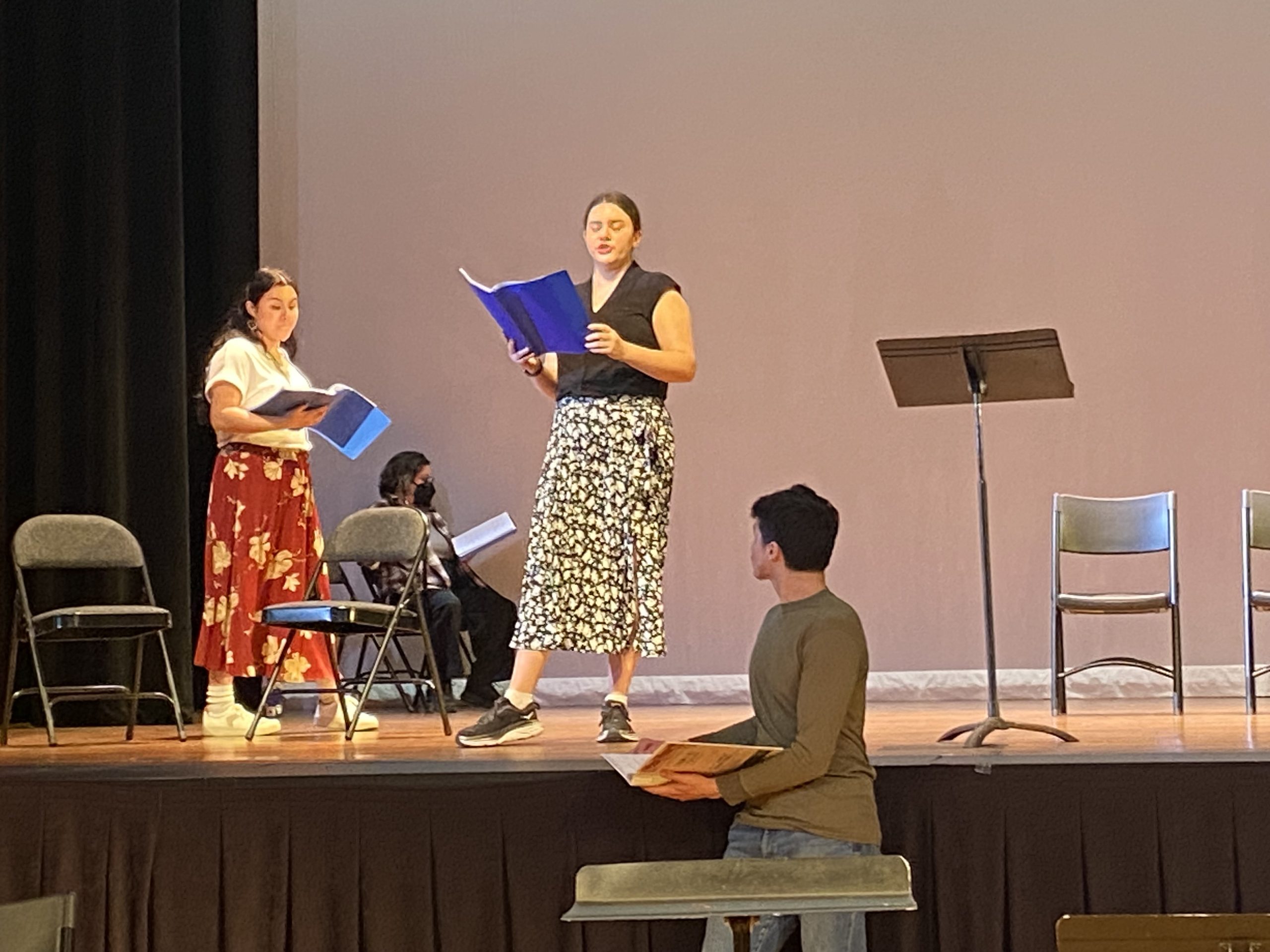
Austin Weekly News A news site committed to in-depth reporting on issues concerning the Austin neighborhood located on the West Side of Chicago, Illinois. Community members gathered at the Austin Town Hall Cultural Center for Cultural Conversations: Native American Heritage Month, featuring a staged reading of “Bingo Hall” and a discussion on identity, heritage, and belonging on Nov. 6. Dillon Chitto, a Mississippi Choctaw, Laguna and Isleta Pueblo playwright, joined Osage director Elise Bear for a panel discussion led by Tony Bondoc, director of programming at the League of Chicago Theatres. “Bingo Hall” follows Edward Anaya, a young man from the Pueblo community who finds himself torn between leaving home for college or staying close to his roots. Bear reflected on how “Bingo Hall” resonated with their own experiences growing up on the Osage Reservation. They shared that the play’s themes mirror the choices they once faced, from deciding which high school to attend due to the lack of one in their small town, to navigating the challenges of applying to colleges beyond their community. “I find that to be incredibly relatable and it’s something you don’t often see on stage,” Bear said. “There are monologues in this show about the Osage Reservation story, which I find incredibly inspiring because it represents the backbone of our people. I’m not Pueblo, but our own creation story informs how we live and I think that theme in this play helps pull everyone forward.” Sign up for our free newsletter to get local news sent straight to your inbox.
Conversations among family members back in New Mexico often centered on who would leave the reservation to pursue education and who would stay to care for relatives and maintain tradition, said Chitto. This balance between opportunity and cultural preservation remains a defining reality for many in their community. “There’s a lot of Native American theater, especially that focuses on trauma, such as the Trail of Tears or smallpox, that was important back then and it helps humanize our stories, but it’s only a small part of who we are as Native people,” Chitto said. Chitto said their intention was to write the story in a way that highlighted specific experiences, particularly themes of migration and movement. “I just graduated college last year. This show is meaningful to me, just because I’m working with so many Native people. This is the first show I have been able to work on that was written by a Native person,” Bear said. The value of collaborating with artists from different disciplines and perspectives creates a strong sense of community, a point Bear emphasized. They also highlighted the importance of bringing more Native voices to the forefront and sharing stories through theater that can reach and impact wide audiences. The opportunity to present these works broadly and touch people’s hearts is something they strongly support. Chicago has one of the largest urban Native populations, a result of the Urban Relocation Act from the 1970s, which brought many people from reservations to the city, according to Chitto, who finds it striking that some theaters struggle to produce a Native show with even two Native artists, despite the sizable local community. He notes that this challenge reflects the current state of representation in theater. When asked about directing a stage reading, Bear said their approach was a hybrid between a traditional stage reading and a full production. They treated the script as they would for a complete show, thoroughly familiarizing themselves with the story and using the rehearsal process to explore it. Because the production involved significant movement and blocking, the director visualized the space and allowed much of the staging to develop organically. “Mostly, it was about staying true to the text and maintaining honesty, because the characters are already so alive and vibrant. The goal was just to make sure the performance remained truthful to them,” Bear said. Sign up for our free newsletter to get latest news and updates on Austin.
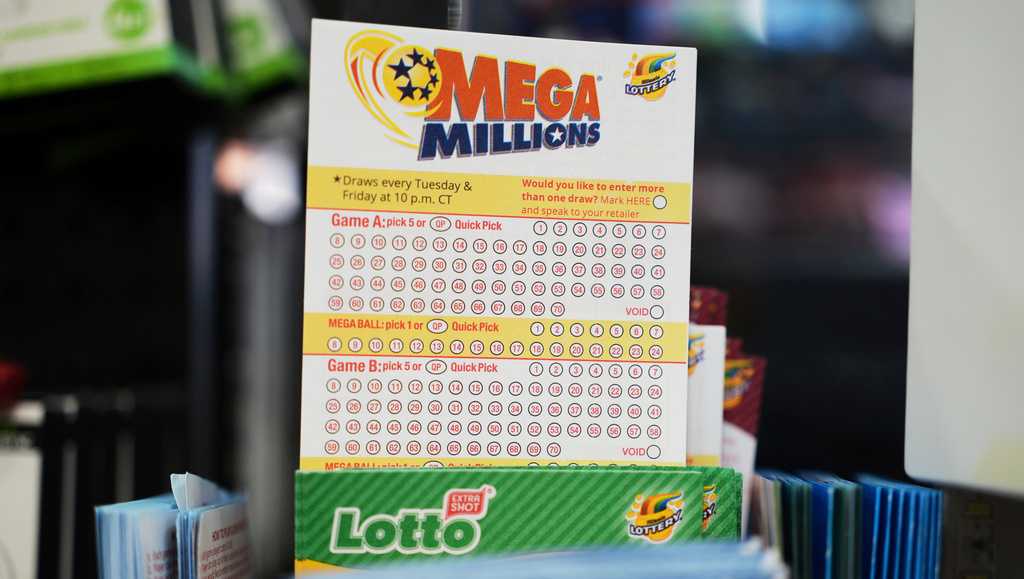
A Mega Millions player in Georgia won the $980 million jackpot on Friday, overcoming abysmal odds to win the huge prize. The single winning ticket was purchased at a Publix supermarket in Newnan, which is roughly 40 miles from Atlanta, a news release from the lottery says.
“We are thrilled to congratulate the largest winner in our state’s history,” Georgia Lottery President and CEO Gretchen Corbin said in the news release. The win also earned the store a $50,000 retailer bonus from the Georgia Lottery. The numbers selected were 1, 8, 11, 12 and 57 with the gold Mega Ball 7. The winner overcame Mega Millions’ astronomical odds of 1 in 290.5 million by matching all six numbers. The next drawing will be on Tuesday. A winner can choose an annuity or the cash option — a one-time, lump-sum payment of $452.2 million before taxes. If there are multiple jackpot winners, the prize is shared. There were four Mega Millions jackpot wins earlier this year, but Friday’s drawing was the 40th since the last win on June 27, a game record, officials said. In September, two Powerball players in Missouri and Texas won a nearly $1.8 billion jackpot, one of the largest in the U.S. The current Mega Millions jackpot isn’t among the top 10 U.S. lottery jackpots but would be the eighth-largest for Mega Millions since the game began in 2002. Mega Millions offers lesser prizes in addition to the jackpot. The odds of winning any of these is 1 in 23. There were more than 800,000 winners of non-jackpot prizes from the Nov. 11 drawing. Tickets are $5 each and are sold in 45 states, Washington, D.C., and the U.S. Virgin Islands. Half the proceeds from each Mega Millions ticket remains in the jurisdiction where the ticket was sold. Local lottery agencies run the game in each jurisdiction and how profits are spent is dictated by law. Sometimes gambling can become addictive. The National Council on Problem Gambling defines problem gambling as “gambling behavior that is damaging to a person or their family, often disrupting their daily life and career.” It is sometimes called gambling addiction or gambling disorder, a recognized mental health diagnosis. The group says anyone who gambles can be at risk. Its National Problem Gambling Helpline, 1-800-522-4700, connects anyone seeking assistance with a gambling problem to local resources. Hearst Television participates in various affiliate marketing programs, which means we may get paid commissions on editorially chosen products purchased through our links to retailer sites.