

Nov 09, 2025 | Men's Basketball, Sports Extra
A lucky lottery player in San Jose hit the $14 million jackpot on a SuperLotto Plus ticket in Saturday’s draw, according to the California Lottery.
The jackpot ticket was bought at Maple Leaf Liquors at 1146 Saratoga Ave., the lottery said.
Watch NBC Bay Area News free wherever you are
The winning numbers in Saturday night’s SuperLotto Plus draw were: 12-26-30-38-42 and the Mega ball 4.
The business that sold the jackpot ticket is eligible for a bonus, according to the lottery.
After the jackpot win, the pot for the next SuperLotto draw on Wednesday now sits at an estimated $7 million.
Meanwhile, there were no jackpot winners in Saturday’s $467 million Powerball draw nor in Friday’s $843 million Mega Millions draw, bringing those pots to an estimated $490 million and $900 million, respectively.

The Powerball jackpot continues to grow after no one matched all six Powerball numbers to win Saturday’s drawing.
Grab your tickets and check your numbers to see if you’re the game’s newest millionaire.
Here are the numbers for the Saturday, Nov. 8, Powerball jackpot worth an estimated $467 million with a cash option of $218.1.
The winning numbers for Saturday night’s drawing were 3, 53, 60, 62, 68, with a Powerball of 11. The Power Play was 2x.
No one matched all six numbers to win the Powerball jackpot.
Nobody matched all five numbers except for the Powerball worth $1 million.
Double Play numbers were 16, 18, 20, 54, 59, and the Powerball is 6.
Zero tickets matched all six numbers, and no one matched all five numbers except for the Powerball worth $500,000.
The Powerball jackpot for Monday, Nov. 10, 2025, rises to $490 million with a cash option of $228.9 million, according to powerball.com.
Drawings are held three times per week at approximately 10:59 p.m. ET every Monday, Wednesday, and Saturday.
You only need to match one number in Powerball to win a prize. However, that number must be the Powerball worth $4. Visit powerball.com for the entire prize chart.
Matching two numbers won’t win anything in Powerball unless one of the numbers is the Powerball. A ticket matching one of the five numbers and the Powerball is also worth $4. Visit powerball.com for the entire prize chart.
A single Powerball ticket costs $2. Pay an additional $1 to add the Power Play for a chance to multiply all Powerball winnings except for the jackpot. Players can also add the Double Play for an additional $1 to have a second chance at winning $10 million.
Friday night’s winning numbers were 16, 21, 23, 48, 70, and the Mega Ball was 5.
The Mega Millions jackpot for Tuesday’s drawing grows to an estimated $900 million with a cash option of $415.3 million after no Mega Millions tickets matched all six numbers to win the jackpot, according to megamillions.com.
Here is the list of 2025 Powerball jackpot wins, according to powerball.com:
Here are the all-time top 10 Powerball jackpots, according to powerball.com:
Here are the nation’s all-time top 10 Powerball and Mega Millions jackpots, according to powerball.com:
Chris Sims is a digital content producer at Midwest Connect Gannett. Follow him on Twitter: @ChrisFSims.
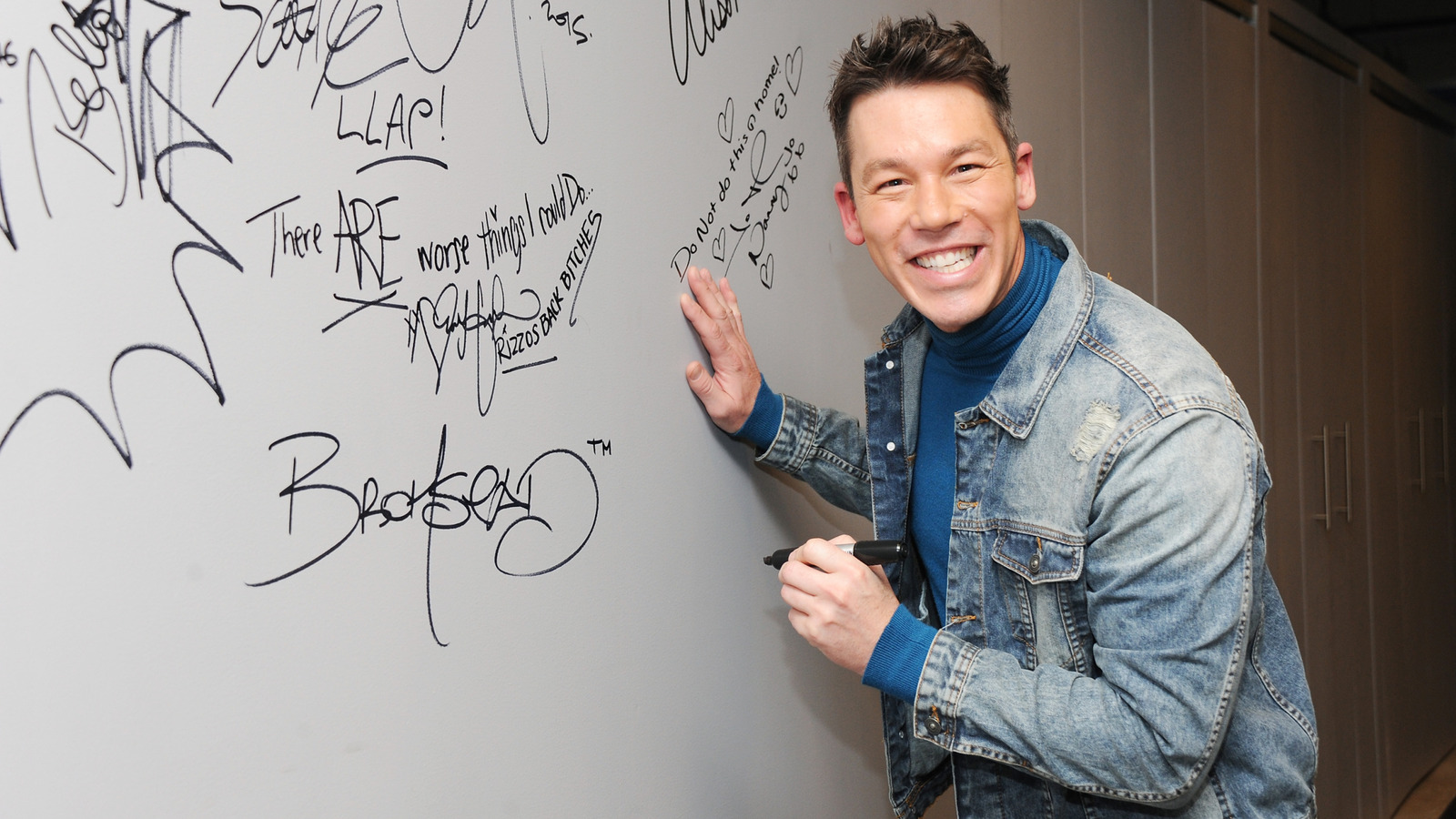
Everything is never really as it seems with reality TV. While “My Lottery Dream Home” has been airing on HGTV since 2015, there are probably a lot of lies and misconceptions about the show you might think are true. Yet with most productions, things aren’t exactly as they appear. Since its premiere, fans have watched “Color Splash” alum David Bromstad lead lottery winners on their real estate journey all across the USA. He’s friendly and fun, and the contestants always seem to have plenty of money to spend on their homes. But is it all too good to be true? And are there really that many lottery winners out there? Not only that, but are there that many lottery winners who want to go on a real estate show?
We’ve uncovered the behind-the-scenes secrets that you may not know about the show and the contestants who participate. Even if you’ve seen every episode of the show’s 17 seasons (that’s impressive!) and consider yourself an HGTV superfan, you’re still likely to be shocked at what you discover. And, maybe you’ll just be inspired to go and rewatch your favorite episode with new eyes!
There’s such a thing as the lottery curse. It’s the name for the phenomenon that happens when many lottery winners end up in a worse financial spot than before they won. It’s often because they can’t handle their money. To avoid this pitfall, some winners might be secretive about their newfound cash, wary of greedy family members, or potential scams coming their way. It’s possible that this was the reason it was so hard to cast the first season of the show. “We reached out to close to 1,000 lottery winners and we got 10 to appear on our first season,” producer Mike Krupat told Mediaweek. That’s only a 1% yield!
Luckily, it isn’t as hard to get people to agree to film now as the success of the show helped spur more participation.”Once other winners saw the show and how it was about wish fulfillment and making people’s dreams become a reality, people were more willing to take part,” Krupat said. To continue to encourage lottery winners to want to come on the show, Krupat insisted that the team is very careful to tell positive, people-focused stories. “Lottery winners don’t really need the exposure,” he said. “And they don’t need the money to participate. The truth is they have great stories to tell, which is appealing to them.” Fans of the show will know this is true, as each episode is very feel-good.
If you spent every work day being around lucky lottery winners, you might feel tempted to buy a ticket or two for yourself. After all, maybe some of their luck will rub off on you! However, Bromstad isn’t much for gambling himself. “You’d think I would, especially rubbing elbows with all of these really rich, really lucky people. [But] no, I do not play the lottery,” he told The Wrap. While he didn’t clarify if he’s never bought a single scratch-off ticket or simply doesn’t line up each month for a shot at millions, he did discuss other ways he has experienced lots of luck in his life.
He continued, “… I’ve already won the lottery. I won Design Star, and that was my lottery. I’m generally not a very lucky person. So I’m good. I’ve won it, that’s my win.” Without his “Design Star” win way back in 2006, who knows if the Florida native would have ever made the jump from being a Disney enthusiast and designer to a certified HGTV celebrity? However, as seen in his long-running show “Color Splash” and now on “My Lottery Dream Home,” his fans know luck may have a little to do with his success, but it’s really Bromstad’s love of bright color combinations and a keen eye for style that did most of the work.
You might think house-hunting lottery winners are all looking for unbelievably impressive mansions in the Hollywood Hills, but this simply isn’t the case. Sure, some of the clients who come into big money want to splurge, but most of those featured just want a normal family home — albeit a bit of an upgrade. “It all depends on how much money they’ve just won,” Bromstad told the New York Post. “Some people are living paycheck to paycheck and they’re pretty smart, like, ‘Wow, I’m 35 years old and I’ve just won a million dollars — it’s going to change my life for the moment but I’ve got to be smart about it.'”
This is a sentiment that Bromstad is consistent with, telling AOL, “Most people are looking to upgrade their primary homes. They’re coming from very humble beginnings, and it’s so fun to see these people live the dream. It’s pretty amazing.” There is evidence of this on many episodes of the show, too, as it films all over the country. It doesn’t just feature pricey mansions in California. Bromstad helps buyers find lower-budget dream homes in other states like Texas, New Hampshire, and even Arkansas, too.
You might think that Bromstad has his real estate license, which is what qualifies him to tour these fabulous listings with guests on the show. However, although he has an extensive background in design and decor, there is nothing on record to indicate he is currently a licensed realtor or real estate broker. For example, he is not currently listed as an agent in Tennessee, where HGTV headquarters are, nor in Florida, where he lives. He also doesn’t have the certification listed on his LinkedIn, although he does have an impressive resume and plenty of design tips to save time and money. This lack of license is likely why you see him meeting with a local agent at the beginning of each episode to get information on listings for his clients.
So, how did he land the gig if he’s never worked in real estate before? “I actually got on the show because there was nothing else going on,” he told Watermark Out News. “I was still in my contract with HGTV and design shows had just died. They asked me, ‘Hey, do you want to do a pilot for this show called ‘My Lottery Dream Home’?’ I was like ‘Sure, I have literally nothing else to do.’ Now the show that should have never been is now one of the biggest shows on the network.” Luckily for Bromstad and the network both, his keen eye for design and bright personality allow him to perfectly play the part of the agent, with or without a license.
Like most shows on HGTV, you might wonder how real everything is during each episode, and maybe even if “My Lottery Dream Home” is real or staged. Most of the storylines and outcomes are the show are real, in that yes — the clients really do tour the houses, and as far as we know, they are not lying about where their money came from. However, all the small moments or conversations happening in the background might not be entirely authentic. It is reality TV, after all! So if the producers aren’t totally happy with a shot, clients have to re-shoot it. “I wasn’t there to be Joe Hollywood,” former guest Brian Kutz told HeraldNet about how many times they needed to redo certain reactions or conversations. “We really were just trying to get Coupeville on the map.”
These reshoots are not necessarily to change the course of the storyline or influence the guests’ choices. Sometimes, the lighting might be bad in a shot, or the sound could have gotten messed up due to a microphone issue or a plane flying overhead. In these cases, producers on reality TV shows will typically ask guests to reshoot their reaction to a room or their discussion about the features, just to make sure audiences at home get a good experience, too.
Based on the name of the show, it is perfectly valid to assume that it’s a program about lottery winners buying houses. However, as the seasons have gone on, the scope has actually expanded a bit to include anyone who had a sudden infusion of money. There are still many who might have earned this through gambling games like scratch-off tickets. However, there are more and more contestants who are on the show because they have received sizeable inheritances from deceased family members, not won the lottery.
For example, in Season 17, Episode 1 titled “Hot Springs Party Place,” a woman seeks to honor her deceased husband by purchasing a lovely getaway home on the shore of a lake in Arkansas. Bromstad helps her and her son fulfill this dream while respecting their grief. He does the same in Season 16, Episode 3, “Family Bonds” when two siblings use money from their late brother to purchase a home near the Coachella Festival. In these episodes, he always shows compassion to his clients and offers his condolences over the situation, instead of celebrating the big win as he does when his clients have won a prize.
Sometimes you hear rumors of celebrities who act totally differently when the cameras are off. You might think this about Bromstad because he is so bubbly on-screen — there’s no way someone could really be like that! Luckily, contestants confirm that he is just as fun and friendly as he seems, even when the cameras aren’t rolling. “I tell you, we laughed and cut up and had so much fun,” Anthony Colligan from Season 7 told The Acadiana Advocate about his time on the show. “I didn’t know he was like that. I did not know. I just started laughing and couldn’t stop.”
There are accounts of him being kind, too. A group of fans spotted him in Somerset, Kentucky, while a recent season was in production, and he took the time to chat to them, even though he was very busy. “He was working and looked like he had a lot going on, and I guess we kind of interrupted that. But he was very kind to us,” one told the Commonwealth Journal. “He was just like what he is on the show.”
Even with the popularity of the show, many contestants still think twice before agreeing to be a part of it. You might think all lottery winners are eager to burn through their new money, but Bromstad wants to make sure everyone knows this isn’t the case. “A lot of winners get financial advisers and think it through before they call me,” he told The New York Post. This is a very different reality from the narrative of big spenders splashing out. Instead, many who appear do their due diligence to discover a realistic budget for their next real estate purchase, which they mention at the start of each episode so Bromstad knows what he’s working with. They don’t seem to be after lots of fame or notoriety, unlike others who might sign up for a reality TV show on other topics.
That said, Bromstad still goes out of his way to make sure the people he hosts on the show aren’t taken advantage of at any point in the process. “They know I’m going to give them great deals and show them exactly what they want to see,” he said. This is why there are at least two properties featured in each episode. Even with a larger budget, he still wants to make sure clients are getting exactly what they want.
He is such an enthusiastic host, leading many to think that he was excited to be on it from the very first episode. However, this isn’t the case! In fact, on the HGTV Obsessed podcast, Bromstad revealed that he actually had a bit of an identity crisis during the first season of the show.”Yeah, no, the show is amazing,” he told the interviewer, Marianne Canada. “And it took me a minute to really come out and fall in love with the show, because I was like, okay, now I’m hosting a real estate show, I’m an artist. This is way off my beaten path, but at the moment, design was dead on the network.”
He started hosting right after his long-running show “Color Splash” was canceled in 2012. That program was more about design and renovation, which Bromstad prefers, so he had to hype himself up a bit to fall in love with real estate. Yet now, it’s more like second nature. “I was like, it’s a really beautiful show,” Bromstad said. “It’s really easy to do, and now I get to express myself with fashion.” Longtime fans will know this is true, as he sports fun, colorful outfits on the show whenever he gets the chance.
Photo: Getty Images
Monday’s (November 10) Powerball jackpot will be worth an estimated $490 million after zero players matched all six numbers during the $474 million drawing Saturday (November 8) night.
Results from Saturday’s Powerball game are listed below:
NUMBERS: 3-53-60-62-68
POWERBALL: 11
POWER PLAY: 2x
Two players won the $1.79 billion Powerball drawing on September 6. Tickets purchased in Missouri and Texas matched all five white numbers and the red Powerball, resetting the next drawing to $20 million ($10.2 million cash value) for September 8.
The September 6 drawing was the second largest jackpot in U.S. lottery history, behind only the $2.04 billion Powerball drawing on November 7, 2022. The odds of winning the Powerball jackpot are reported to be 1 in 292.2 million, according to Powerball.com.
The $1.79 billion jackpot winner was the first since one player won the $205 million Powerball drawing on May 31. The Powerball had previously reset after one player won the $167 million Powerball drawing on April 26.
One player in California matched all six numbers to win the $2.04 billion ($997.6 million) jackpot on November 7, 2022, the largest jackpot offered in U.S. lottery history, according to the official Powerball website. Powerball has had jackpots exceeding $1 billion six times.
Mega Millions games have also exceeded $1 billion seven times, which includes its largest offering, a $1.603 billion jackpot that was one by a player in Florida on August 8. Both jackpots increase during each following game until there’s a jackpot winning ticket matching all six numbers drawn, which includes the additional Mega Millions Gold Ball or Powerball in each respective game.
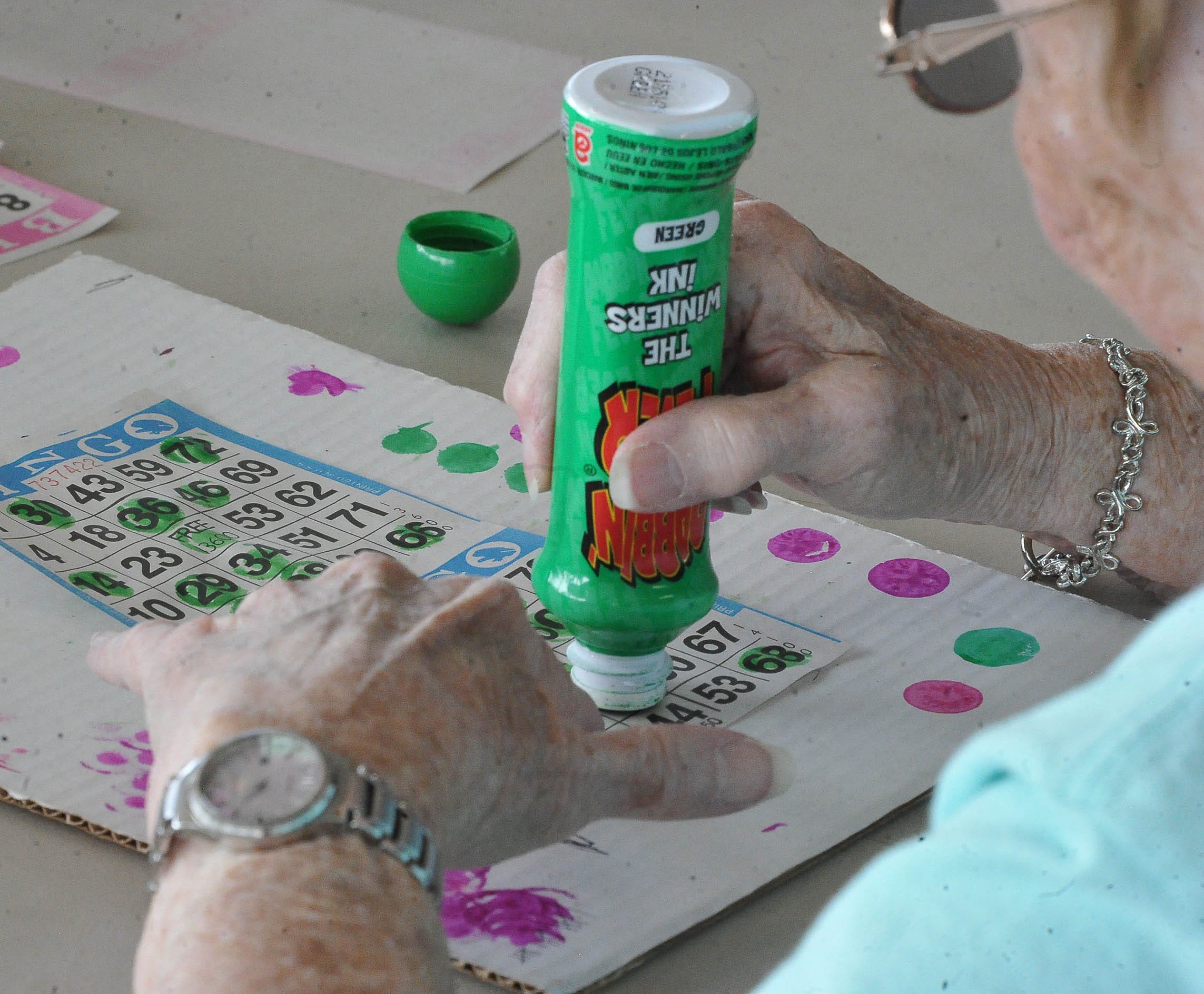
The Vikings’ bingo card could include numerous different details. Tick off the square when someone hits The Griddy; put down ink on another section when a field goal sails wide of the uprights. An all-out blitz, an explosive Myles Price return, and Jonathan Greenard just barely missing a sack could be found, as well.
If the focus gets shifted toward a Vikings win, what’s going to show up on the card? Lamar Jackson and the Ravens haven’t had the season they were anticipating coming into 2025. Neither, for that matter, have the Vikings. Can Minnesota put together its first mini win-streak of the season by snagging a second triumph in a row? If so, what do they need to arrive?
Start off with a topic that should be obvious: the importance of a competent, comfortable, and carefree J.J. McCarthy.
The sophomore is 2-1 as the Vikings’ starter. Without question, Mr. McCarthy has had some spectacular and some head-scratching moments. At 22, he’s a work in progress (aren’t we all?). One nevertheless wonders about seeing him surpass some reasonably basic statistical benchmarks. Push the completion number past 60% and 200 passing yards. What of tossing a trio of touchdowns? Doing so would be a welcome sight for a passing attack that’s still aching for a full breakout.
Next up for developing a bingo card win would an offensive line that’s formidable.
Currently, the best guess involves seeing LT1 Christian Darrisaw, LG1 Donovan Jackson, C2 Blake Brandel, RG1 Will Fries, and RT1 Brian O’Neill. Those five aren’t perfect, but they’re pretty darn good. Minnesota hasn’t had a better front in a long time.
Ratcheting up the pressure deserves a spot. Lamar Jackson isn’t easily tackled. Finding a way to tackle him somehow needs to be part of the mix.
Playing Levi Drake Rodriguez more could be part of the winning formula since he moves well and offers great effort. Jalen Redmond appears likely to continue breaking out on a weekly basis. And the re-insertion of Andrew Van Ginkel can’t be overstated.
Consider, as well, the importance of taking the ball away.
Byron Murphy Jr. is the well-paid CB1. He has started eight games and has … 0 interceptions and just a pair of passes defended. Meanwhile, CB2 Isaiah Rodgers is sitting on 1 interception (after an offseason claim about wanting double-digit INTs). Plucking a pass or two out of the sky would be hugely consequential for the Vikings.
There’s then the final square for the Vikings’ bingo card.
Myles Price has already been mentioned up top. He’s worth mentioning again. There’s then Will Reichard doing tremendously well as a sophomore alongside Ryan Wright being very good. Any chance we see Coach Matt Daniels reach into his bag of tricks, pulling off a trick play for a game-changing moment?
The Baltimore Ravens haven’t been as dominant in 2025 as usual. The same may be said of the Minnesota Vikings (but with less conviction since the Twin Cities team hasn’t been nearly so consistent). Seeing the Vikings win later today would be surprising but far from impossible.
The Vikings’ bingo card offers at least a few hints about how to push the team’s record to 5-4.
For premium support please call:
For premium support please call:
Ripple's long court battle with the SEC is finally over and the negative impact is limited.
Friendly government regulations could spur the adoption of blockchain technology, including Ripple's.
Ripple is building usable technology and there's a key piece that could push XRP higher by 2029.
10 stocks we like better than XRP ›
Ripple (CRYPTO: XRP) was one of the earliest adopters of the blockchain idea outlined in the Bitcoin (CRYPTO: BTC) whitepaper. But instead of just building a digital currency, the founders sought to use the technology to support faster and cheaper cross-border transactions.
Unfortunately, Ripple faced some major headwinds since its founding, which kept the value of its cryptocurrency, XRP, from keeping up with the soaring prices of Bitcoin. But it got a major boost over the past year with a friendly administration and a positive court ruling. That has sent the price of XRP up roughly 340% since last year's election (as of this writing).
Where to invest $1,000 right now? Our analyst team just revealed what they believe are the 10 best stocks to buy right now, when you join Stock Advisor. See the stocks »
But there are several reasons to think XRP will continue to climb through the end of the decade, and it could surge in price during the next market cycle (which occurs about every four years).
Image source: Getty Images.
Ripple has been battling a lawsuit brought by the SEC since late 2020, when it was accused of selling XRP as an unregistered security. Ultimately, the courts determined that only sales of XRP to institutional investors violated the law and ordered Ripple to pay a $125 million fine and issued a permanent injunction against institutional XRP sales. While both sides filed appeals, they finally withdrew them in August of this year, ending a nearly 5-year overhang that weighed heavily on XRP.
On top of that, the current administration has been quite friendly toward cryptocurrency, providing new laws and regulations that should support its adoption. Congress passed the GENIUS Act, providing a regulatory framework for stablecoins. It also repealed laws barring commercial banks from developing digital asset custody services.
The current SEC is also much friendlier toward crypto. Chairman Paul Atkins wants to develop clear guidelines that determine whether a crypto asset is a security (preventing another years-long case like Ripple's). He also wants to provide a framework for using blockchain technology in financial markets, which could be very beneficial for Ripple and XRP.
Ripple cannot sell XRP directly to institutions, but institutional investors can still buy the cryptocurrency on the open market. And it's about to get a lot easier. Another friendly SEC policy has been the approval of new exchange-traded funds that track the spot price of cryptocurrencies, including XRP.
The SEC is currently reviewing XRP ETF applications from seven institutions. The first group is expected to launch in mid-November.
Widely available XRP ETFs should fuel adoption among institutional investors looking for exposure to the crypto asset class. The XRP futures contracts launched by CME Group have seen significant trading volume since launching in May, suggesting the demand is there. While XRP doesn't have the same supply-side forces as Bitcoin, the surge in demand should prop up the price of the cryptocurrency.
The thing that separates XRP from Bitcoin is that Ripple is building financial technology with real world use cases. Its RippleNet aims to take on the SWIFT network for international money transfers. A SWIFT transfer often involves multiple intermediaries for sending payments, which can cause the cost of the transaction to increase while slowing it down. RippleNet uses its own blockchain-based ledger to confirm transactions in seconds.
What's more, RippleNet uses XRP as a bridge currency to convert one currency to another with a feature called On-Demand Liquidity. While a sender doesn't need to hold XRP, there does need to be ample liquidity available from somewhere. If transaction volume on RippleNet increases, the market cap of XRP will necessarily grow to support it. Several financial institutions have already started testing using RippleNet, including Santander, PNC, and American Express.
Other use cases for the XRP ledger exist as well. Real-world asset tokenization, which allows people to easily move asset ownership on the blockchain, could be backed by XRP. Ripple's RLUSD stablecoin transactions settle on the XRP ledger, requiring gas payments in XRP. Ripple is also seeing momentum in its efforts to bring more decentralized finance services to its blockchain.
Ultimately, however, XRP's price is heavily dependent on the adoption and use of RippleNet and On-Demand Liquidity. Combined with growing adoption of XRP as an investment holding, which may not be held on chain (reducing liquidity), the price of XRP should climb considerably during the next market cycle now that the big regulatory overhang is out of the way and the government is actively pushing more blockchain and cryptocurrency adoption.
As a result, it's not unreasonable to expect XRP to climb past $10 by 2029, near the height of the next cryptocurrency market cycle. Granted, that requires broad adoption by both financial institutions and investors, and that's far from guaranteed. But it might be worth taking a chance on XRP, as one of a handful of cryptocurrencies with real traction in building practical blockchain technology. As always, keep your own risk tolerance in mind.
Before you buy stock in XRP, consider this:
The Motley Fool Stock Advisor analyst team just identified what they believe are the 10 best stocks for investors to buy now… and XRP wasn’t one of them. The 10 stocks that made the cut could produce monster returns in the coming years.
Consider when Netflix made this list on December 17, 2004… if you invested $1,000 at the time of our recommendation, you’d have $595,194!* Or when Nvidia made this list on April 15, 2005… if you invested $1,000 at the time of our recommendation, you’d have $1,153,334!
Now, it’s worth noting Stock Advisor’s total average return is 1,036% — a market-crushing outperformance compared to 191% for the S&P 500. Don’t miss out on the latest top 10 list, available when you join Stock Advisor.
See the 10 stocks »
Stock Advisor returns as of November 3, 2025
American Express is an advertising partner of Motley Fool Money. Adam Levy has positions in Bitcoin and XRP. The Motley Fool has positions in and recommends Bitcoin and XRP. The Motley Fool recommends CME Group. The Motley Fool has a disclosure policy.
AOL
AOL
AOL
AOL
AOL
AOL
Advertisement
Advertisement
Advertisement
Advertisement
Advertisement
Advertisement
Advertisement
Advertisement
Advertisement
Advertisement

(AP) – The NCAA revoked the eligibility of six men’s college basketball players on Friday as a result of three separate sports-betting cases that involved a power-conference school and allegations of players throwing games to lose by more points than the spread.
The NCAA Committee on Infractions released findings from an investigation that concluded Chatton “BJ” Freeman at Arizona State; Cedquavious Hunter, Dyquavian Short and Jamond Vincent at New Orleans and Donovan Sanders and Alvin Stredic at Mississippi Valley State either manipulated their performances to lose games, not cover bet lines or ensure certain prop bets were reached, or provided information that enabled others to do so during the 2024-25 regular season.
The development comes as the sporting world contends with mounting scrutiny over betting. Nearly three dozen people were arrested last month, including an NBA player and coach, for what federal law enforcement officials described as their involvement in various illicit gambling activities. Just this week, UFC President and CEO Dana White said he was in touch with the FBI regarding a match that involved unusual betting patterns.
For its part, the NCAA said last month it was investigating at least 30 current or former players for gambling allegations. The NCAA also banned three college basketball players in September for betting on their own games at Fresno State and San Jose State.
Arizona State is the only power-conference school involved in the recent announcements. Freeman became implicated in the investigation when the NCAA reviewed text messages between him and a player banned in September, Mykell Robinson, who played at Fresno State. Records on Robinson’s phone indicated that on four separate occasions between November and December 2024, Freeman knowingly provided information to Robinson, who was betting on Freeman through daily fantasy sports accounts.
Freeman also knowingly provided information on at least two occasions to his then-girlfriend, who was also betting on Freeman.
In one instance, Freeman provided information to Robinson to bet the over on Freeman’s turnover total against Florida on Dec. 14, 2024, according to the NCAA. Arizona State entered the game 8-1, having recently beaten two eventual-NCAA Tournament teams. The Sun Devils lost 83-66 to the ninth-ranked Gators, and went on to finish the season 13-20. Freeman had one turnover in the game.
Arizona State declined to comment on the case when contacted by The Associated Press.
The violations at New Orleans against Hunter, Short and Vincent came to light after the NCAA received a tip about game manipulation. The NCAA said a student-athlete overheard the three players discuss a third party placing a bet on their game against McNeese State on Dec. 28, 2024. New Orleans lost 86-61.
That same student-athlete reported that during a timeout near the end of the game, Short instructed him not to score any more points. New Orleans suspended all three student-athletes for the remainder of the season while it investigated the allegations.
The NCAA investigation showed that the three players manipulated their performances in seven games from December through January to lose by more points than the spread for that game.
New Orleans President Kathy Johnson said university staff members were not aware of the violations.
“The University of New Orleans holds itself to the highest standards of integrity, character, and sportsmanship and we appreciate the NCAA’s thorough process and remain fully committed to compliance with all NCAA and conference rules,” Johnson wrote in a statement to the AP. “We will continue to work closely with the NCAA and our conference partners to ensure that all student-athletes understand and uphold the expectations of participation in intercollegiate athletics.”
The NCAA reached out to an integrity monitoring service to review Mississippi Valley State games after a related, but separate NBA gambling ring that was uncovered earlier this year showed potential ties to college basketball, including the school.
The service indicated betting trends for the Mississippi Valley State games on Jan. 6 against Alabama A&M were suspicious. Mississippi Valley State lost 79-67.
During an interview with the NCAA, a men’s basketball student-athlete said that before the team’s Dec. 21, 2024, game, he overhead Sanders on the phone with an unknown third party talking about “throwing the game.”
Sanders asked the student-athlete to participate in the call because the third party had told Sanders the individual intended to bet on the game and wanted to know that another of Sanders’ teammates would participate in the scheme.
The student-athlete denied altering his performance or receiving money from Sanders or any other individuals. Sanders texted the same student-athlete after that game and told him to delete their messages.
During a second interview, Sanders could not explain the student-athlete’s account of the events or the text messages. He did say, however, that he and Stredic were offered money to throw the team’s Jan. 6 game by another anonymous caller, who instructed them to perform poorly in the first half.
The enforcement staff demonstrated that Sanders knowingly provided information to a third party for the purposes of sports betting for two games and Stredic did the same for one game.
Sanders and Stredic are no longer enrolled at the university, according to a statement from Mississippi Valley State.
“The university takes these matters seriously and uses them as an opportunity to reinforce with all student-athletes the importance of adhering to NCAA regulations regarding sports wagering, which are in place to protect the integrity of collegiate sports and the well-being of student-athletes,” the statement reads.
These announcements come in the wake of the NCAA potentially allowing student athletes and staff to bet on professional sports. It was originally approved by all three Divisions and was set to go into effect on Nov. 1, but late last month the Division I Board voted to delay the start date until Nov. 22.
A rarely used rule allows 30 days for each Division I school to vote to rescind a proposal if it is adopted by less than 75% of the Division I cabinet. Even if the rule passes, no college sports are allowed to be bet on by players.
Copyright 2025 The Associated Press. All rights reserved.

