
To stream 5NEWS on your phone, you need the 5NEWS app.
Next up in 5
Example video title will go here for this video
Next up in 5
Example video title will go here for this video
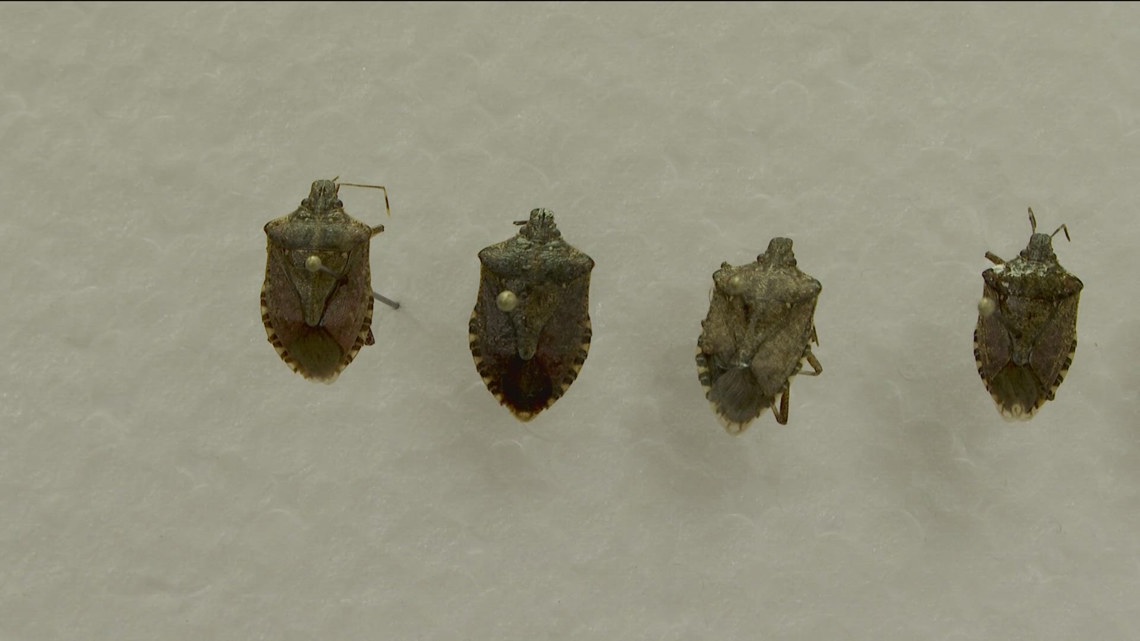
FAYETTEVILLE, Ark. — As temperatures begin to drop in Northwest Arkansas, a familiar and unwelcome visitor is making its presence known once again — the brown marmorated stink bug. This invasive species is back and more active than usual this year, creating a smelly nuisance for residents and raising concerns about potential crop damage.
Originally introduced to the United States from Asia in the 1990s, the brown marmorated stink bug was first recorded in Arkansas in 2013. According to Austin Jones, instructor and director of Undergraduate Education for the Entomology and Plant Pathology Department at the University of Arkansas, these insects are part of a group known as “true bugs.”
Jones notes that the milder weather this year — with fewer extended periods of intense heat — has created ideal conditions for stink bugs to thrive. “They’re more likely to infest our homes to try to find a place to overwinter,” Jones said. “If you see a bug bouncing off your TV set or your windowsill this time of year, it’s probably one of them.”
While stink bugs are more of a nuisance than a danger, they can cause serious harm to crops such as peaches and apples. “They can impact grapes. They can impact soybeans. They can even get into ears of corn and cause some kernel loss on corn as well. They can do some damage to ornamentals,” Jones said.
One particular form of crop damage caused by these bugs is known as “cat facing,” where early feeding on fruit leads to deformation as it matures and ripens. In addition to damaging plants, the stink bug lives up to its name — emitting a foul odor when disturbed or crushed.
To keep them out of homes, Jones advises residents to ensure their houses are properly sealed. “The more you can have screens on windows, gaps around doors and windows sealed up — that’s how they’re going to be getting in primarily,” he said. “Although they can hitchhike inside on things that we’re bringing in and out as well, just like they hitchhiked into our country.”
As for removal, Jones recommends avoiding pesticides when possible. “They’re not particularly effective. Many pesticides are not labeled for use for them,” he said.
The best, albeit smelly, method of getting rid of stink bugs? Either put them back outside or drop them into a pan of soapy water. “A lot of times, people will collect them up and toss them into there as a means of dispatching them, and that’s OK to do that. Absolutely, they’re safe to handle,” Jones added.
With more activity expected this season, experts suggest acting early to prevent these pungent pests from making themselves at home.